
Financial Planning Checklist for Expecting Parents
Preparing for a baby involves more than a nursery and baby clothes.
Many families also begin thinking about financial preparation for their child's future.
A clear financial checklist can help expecting parents feel more confident and organized.

Why Financial Planning Matters Before a Baby Arrives

The arrival of a child is one of the most important moments in a family's life.
It also introduces new financial responsibilities.
According to the U.S. Department of Agriculture, the estimated cost of raising a child to age 17 in the United States has historically
exceeded $230,000 for middle income families, not including college expenses.
Because of these costs, many parents begin thinking about financial planning before their child is born.
Starting early allows families to create a clear strategy and avoid unnecessary stress later.
Many families begin learning about early financial preparation by exploring guides such as Your Baby's First Financial Plan, which
explains how parents start thinking about long term planning for their child.
Step 1: Review Your Family Budget

One of the first steps expecting parents often take is reviewing their household budget.
Preparing for a child may involve new expenses such as:
• childcare
• healthcare
• diapers and baby supplies
• future education planning
According to the Bureau of Labor Statistics, childcare and education expenses represent one of the largest cost categories for families with children.
Understanding your household budget can help families prepare for these changes.
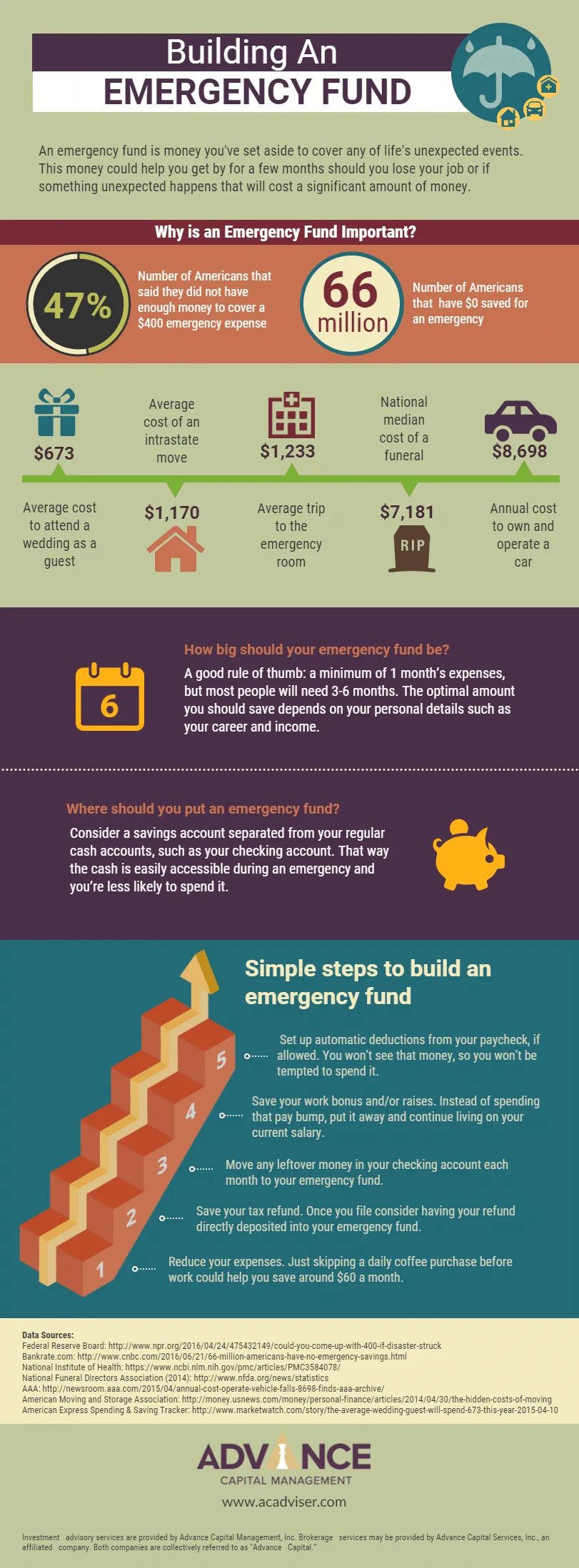
Step 2: Build an Emergency Fund
Unexpected expenses can occur at any time.
Many financial experts recommend building an emergency fund that can cover several months of essential expenses.
According to research from the Federal Reserve, many households lack sufficient emergency savings to cover unexpected financial disruptions.
Establishing an emergency fund can provide stability during periods of transition, such as the arrival of a new baby.
Step 3: Protection Planning

Protection planning becomes especially important once a family has children.
Parents often consider strategies that help ensure financial stability if something unexpected occurs.
These strategies may include:
• life insurance planning
• income protection strategies
• family financial safeguards
Many families view protection planning as a way to ensure that a child's future remains secure.
Many parents also learn about the importance of starting early by understanding the concept of The Time Advantage, which explains
how beginning financial planning at birth can create long term opportunities.
Step 4: Start Long Term Planning Early

Starting financial planning early can provide meaningful long term benefits.
A newborn child has one advantage adults cannot recreate.
Time.
According to the U.S. Securities and Exchange Commission, long term investing benefits from compounding growth, where earnings
generate additional earnings over time.
The earlier financial planning begins, the longer that growth potential can develop.
Many families explore different strategies and approaches when they begin thinking about how parents build wealth for their
children, especially when planning begins before or shortly after birth.
Free Resource for Expecting Parents
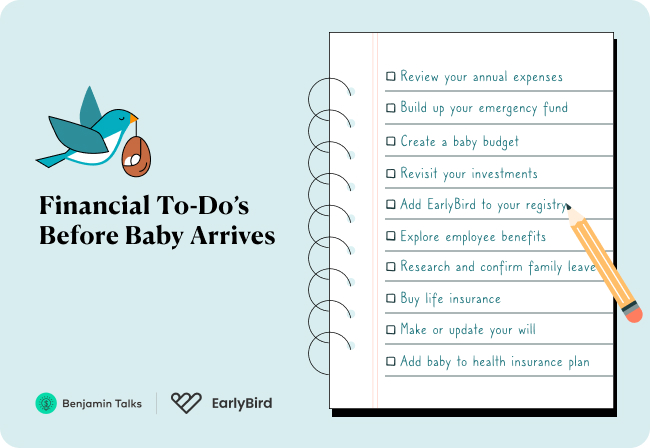
Expecting parents who want to explore financial planning further can begin with the guide below.
The guide explains:
• The Time Advantage philosophy
• Early financial planning strategies
• Questions families should ask before their child arrives
• How long term planning can support generational wealth
Families who want to continue learning about long term financial planning for children often read the Child Wealth Letter, which
explores ideas around generational wealth and early financial preparation.
Get the Blueprint Most Parents Wish They Had Before It Was Too Late
A simple guide designed to help parents begin thinking about their child's financial future with intention and clarity.
Source and References
Then list them like this:
U.S. Department of Agriculture
Expenditures on Children by Families Report
https://www.usda.gov
Child Care Aware of America
Annual Child Care Cost Report
https://www.childcareaware.org
Federal Reserve
Report on the Economic Well-Being of U.S. Households
https://www.federalreserve.gov
U.S. Securities and Exchange Commission
Investor Education Resources
https://www.investor.gov
LIMRA
Insurance Barometer Study
https://www.limra.com
Why Families Are Starting the Conversation
Different families have different goals. But many begin with the same question: “Am I starting early enough?”
Rolande J.

“As a parent, I always worried I was falling behind. College, life, emergencies… it felt overwhelming. Luc explained everything in a way that finally made sense. I don’t feel stressed anymore. I feel prepared. Most importantly, I feel like I actually did something meaningful for my child’s future.”
Parent of a 4-year-old
Flora Noel.
“I wanted to leave more than money. I wanted to leave a plan. Luc helped me understand how to create something that grows with my grandchild over time. It feels good knowing this gift will still be working long after I’m gone.”
Grandmother of a newborn
Jounette Louis.
“We had savings accounts and good intentions but no real strategy. The Million Dollar Baby Plan showed us how small steps today can turn into something much bigger later. Luc was patient, honest, and never pushed. That meant everything to us.”
Parents of a 5-year-old
Jean Danny.
“We had savings accounts and good intentions but no real strategy. The Million Dollar Baby Plan showed us how small steps today can turn into something much bigger later. Luc was patient, honest, and never pushed. That meant everything to us.”
Parents of a 8-year-old
© 2026 NGA Financial. All Rights Reserved.
NGA Financial provides educational guidance for parents and grandparents focused on building generational wealth, financial planning for children, and long-term family protection strategies.