
How Families Build Multi Generational Wealth
Many families think wealth is created in a single lifetime.
In reality, lasting wealth is usually built across generations through planning, discipline, and long term thinking.

What Multi Generational Wealth Means

Multi generational wealth refers to financial resources that are preserved and transferred across multiple generations of a family.
Instead of focusing only on short term financial results, families who think generationally often plan for:
• children
• grandchildren
• future opportunities
According to the Federal Reserve Survey of Consumer Finances, wealth in the United States is often transferred through families across generations.
Families who plan early may create more opportunities for future generations.
The Power of Starting Early

One of the most powerful advantages in wealth building is time.
Financial strategies that begin early have more time to develop.
According to the U.S. Securities and Exchange Commission, long term investing benefits from compounding growth, where earnings
generate additional earnings over time.
The earlier financial planning begins, the longer financial resources may have to grow.
Many families learn about this concept through The Time Advantage, which explains how
starting financial planning at birth can support long term family goals.
Teaching Financial Responsibility Across Generations

Generational wealth is not only about money.
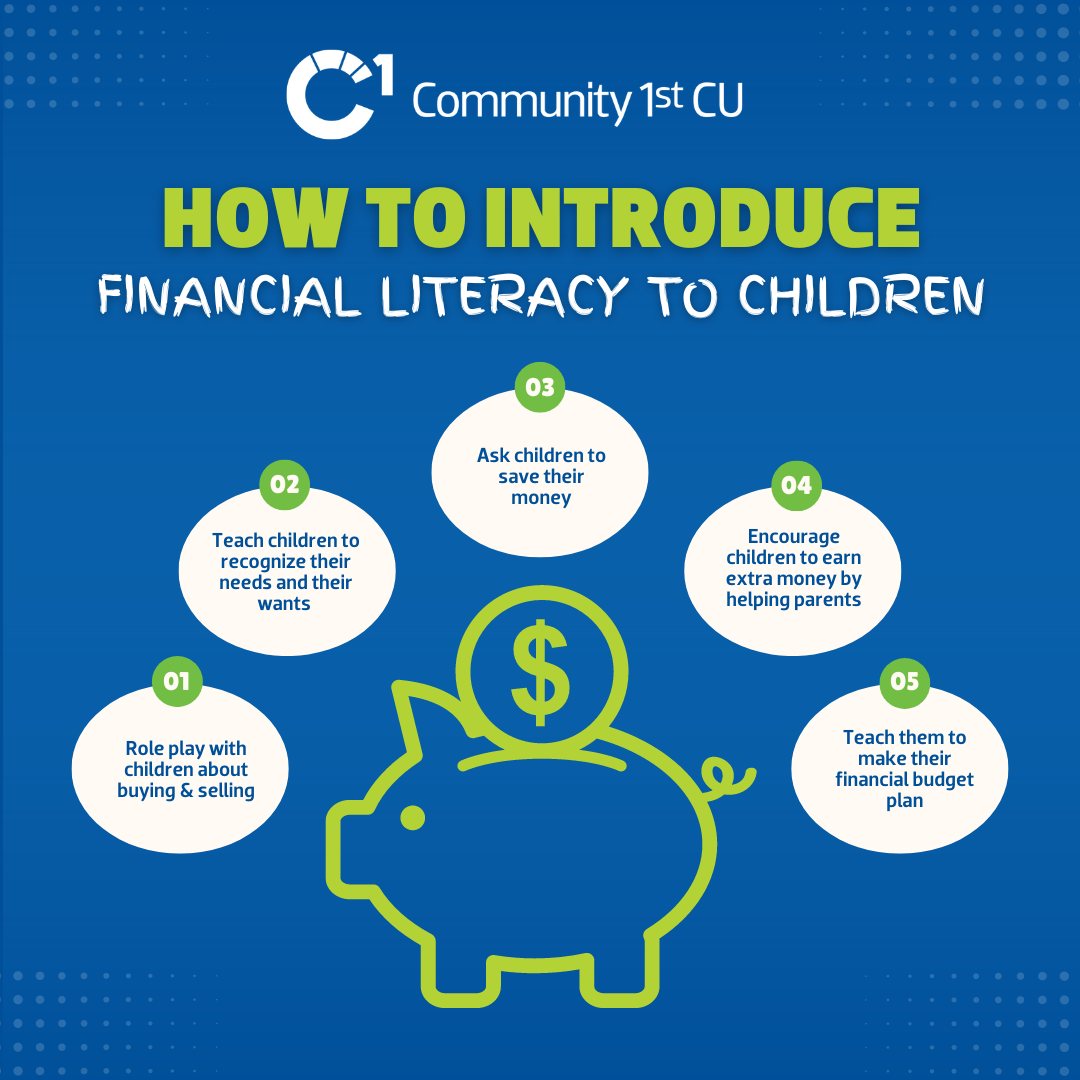
Families who maintain wealth across generations often focus on financial education.
Parents may teach children about:
• saving
• long term thinking
• financial responsibility
These lessons can influence how financial resources are managed in the future.
Early Planning for Children
Many families begin thinking about generational wealth when children are born.
Starting early provides families with greater flexibility when planning for future opportunities.
Families who want to explore early strategies often review resources explaining How
Parents Build Wealth for Their Children through long term planning approaches.
Financial Strategies Families Often Explore

Families often use various financial tools when thinking about long term planning.
Examples may include:
• education savings plans
• custodial investment accounts
• financial protection strategies
Some families also review options discussed in 529 Plans vs Other Strategies for Kids when considering long term education planning.
Generational Wealth Reflects Family Values

Generational wealth is not only financial.
For many families it reflects deeper values such as:
• care for future generations
• responsibility
• long term thinking
Financial planning often represents a commitment to supporting children and grandchildren in meaningful ways.
Families who want to continue exploring long term family wealth strategies often follow insights shared in the Child Wealth Letter,
which discusses ideas around generational planning and early financial preparation.
Get the Blueprint Most Parents Wish They Had Before It Was Too Late
A simple guide designed to help parents begin thinking about their child's financial future with intention and clarity.
Sources and References
Continue Learning
Your Baby's First Financial Plan
https://ngafinancial.com/your-babys-first-financial-plan
How Parents Build Wealth for Their Children
https://ngafinancial.com/how-parents-build-wealth-for-their-children
Financial Gifts That Grow for Grandchildren
https://ngafinancial.com/financial-gifts-that-grow-for-grandchildren
The Time Advantage
https://ngafinancial.com/time-advantage-financial-planning-for-children
STATISTICS REFERENCES
Sources and References:
According to the Federal Reserve Survey of Consumer Finances, wealth in the United States is often transferred across generations through family inheritance, financial gifts, and long term financial planning.
Source
https://www.federalreserve.gov/econres/scfindex.htm
The U.S. Securities and Exchange Commission explains that long term investing benefits from compounding growth, where earnings generate additional earnings over time.
Source
https://www.investor.gov/introduction-investing/investing-basics/compound-interest
The U.S. Department of Agriculture estimates that raising a child to age 17 can exceed $230,000 for middle-income families, not including college expenses.
Source
https://www.usda.gov/media/blog/2017/01/13/cost-raising-childmore.
To change and reuse text themes, go to Site Styles.
Why Families Are Starting the Conversation
Different families have different goals. But many begin with the same question: “Am I starting early enough?”
Rolande J.

“As a parent, I always worried I was falling behind. College, life, emergencies… it felt overwhelming. Luc explained everything in a way that finally made sense. I don’t feel stressed anymore. I feel prepared. Most importantly, I feel like I actually did something meaningful for my child’s future.”
Parent of a 4-year-old
Flora Noel.
“I wanted to leave more than money. I wanted to leave a plan. Luc helped me understand how to create something that grows with my grandchild over time. It feels good knowing this gift will still be working long after I’m gone.”
Grandmother of a newborn
Jounette Louis.
“We had savings accounts and good intentions but no real strategy. The Million Dollar Baby Plan showed us how small steps today can turn into something much bigger later. Luc was patient, honest, and never pushed. That meant everything to us.”
Parents of a 5-year-old
Jean Danny.
“We had savings accounts and good intentions but no real strategy. The Million Dollar Baby Plan showed us how small steps today can turn into something much bigger later. Luc was patient, honest, and never pushed. That meant everything to us.”
Parents of a 8-year-old
© 2026 NGA Financial. All Rights Reserved.
NGA Financial provides educational guidance for parents and grandparents focused on building generational wealth, financial planning for children, and long-term family protection strategies.